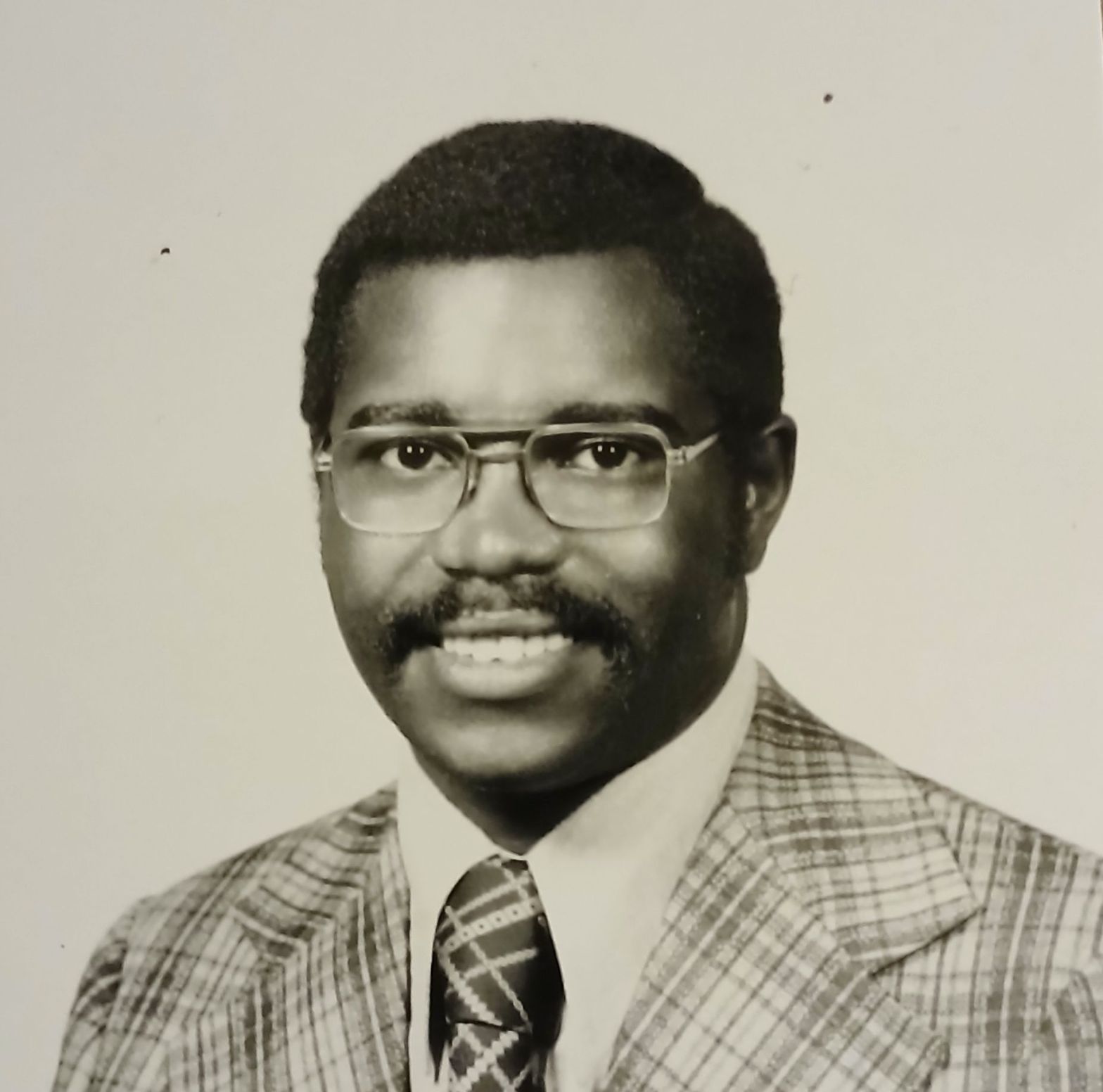
I was recently asked, “Why do you call yourself, ‘Father’ Deacon?” Growing up in the Baptist church, only a male parent (or stepparent) was to be called ‘father.” I have no children by birth or adoption. So, who am I to be called such? No one seems to question my role as a teacher either for the youth at our Sunday School or at the state park where I educate guests about nature. In fact, I am a Virginia Master Naturalist and no one breathes a word against the term “master” in that title. Many Protestant and non-Denominational Christians are quick to use a literal interpretation of our Lord’s words in Matthew 23:8-10 when it comes to clergy offices (“Do not call anyone on earth your father; …”). In that same line of literalism, we should also address our male parents by first names and nicknames as we would our friends. For that matter, teachers need not be given their due title and respect. Depending on what biblical translation one uses, a master’s degree or certification must also not be acknowledged.
Reading Matthew 23:1-12, our Lord’s point is not to literally get rid of roles in a religious body. Indeed, His listeners are directed heed the teachings of the scribes and Pharisees who are from the line of Moses. Spiritual teachers and fathers were still to be given due respect in Judaism. As the Church became the New Israel, clergy and older men of the faith were honored with the title, “father” (I Corinthians 4:9-16, Ephesians 3:14-15, I John 2:13-14).
The deeper problem Jesus has with the Jewish fathers is their false piety and hypocrisy. They may teach correctly in words. But “do not do as they do” (v.2). They love to dress up with their clerical garments so that people will call them, “Rabbi” and make excuses for not living up to the legal standard while demanding others to follow the letter of the law. The Lord calls the listeners to regard the source of all fatherhood and teaching, the Father and Christ, as they are divine and have no corruption. Human teachers and fathers, despite any clerical office, are equal in humanity and are not to be worshiped. Other than that, men are called to be examples of how to live and give life lessons. Clergy, especially, are called to be fathers not as congregational overlords to impose our will for right or wrong. We are to be the type of social and spiritual men that our peers respect, youth emulate, and women want to raise children with. We must be fathers.
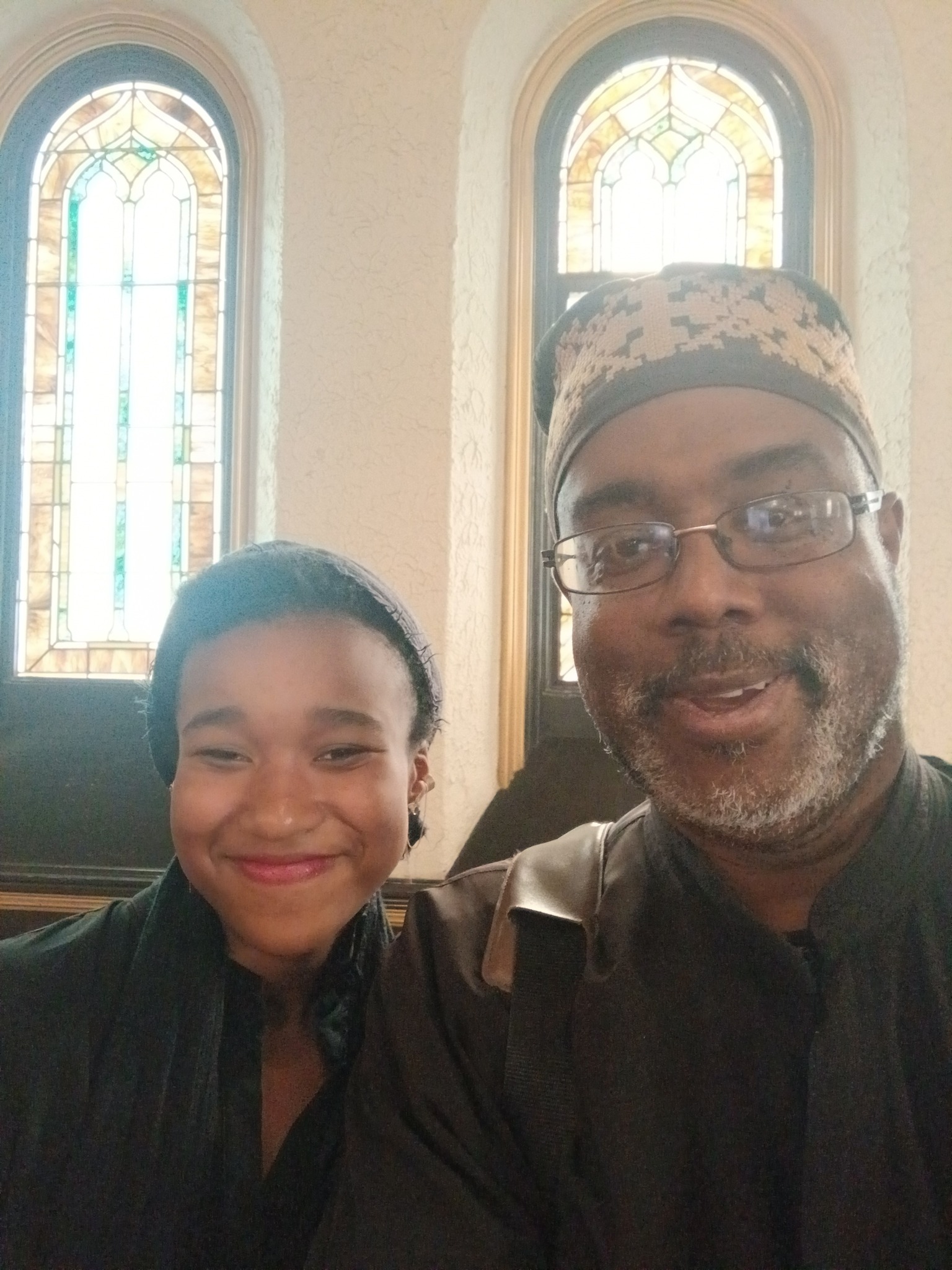
I must be a father even though my wife and I don’t have children. My parish is an hour from home. As a park ranger, I work most Saturdays. Perhaps I should have been exonerated from the clergy and having to be any source of wise teaching and exemplary life. This would give me the right to be my own man and be responsible only for myself. Attending Liturgy two or three times a month and being normally masculine ought to be my only requirements to my parish and the Church.
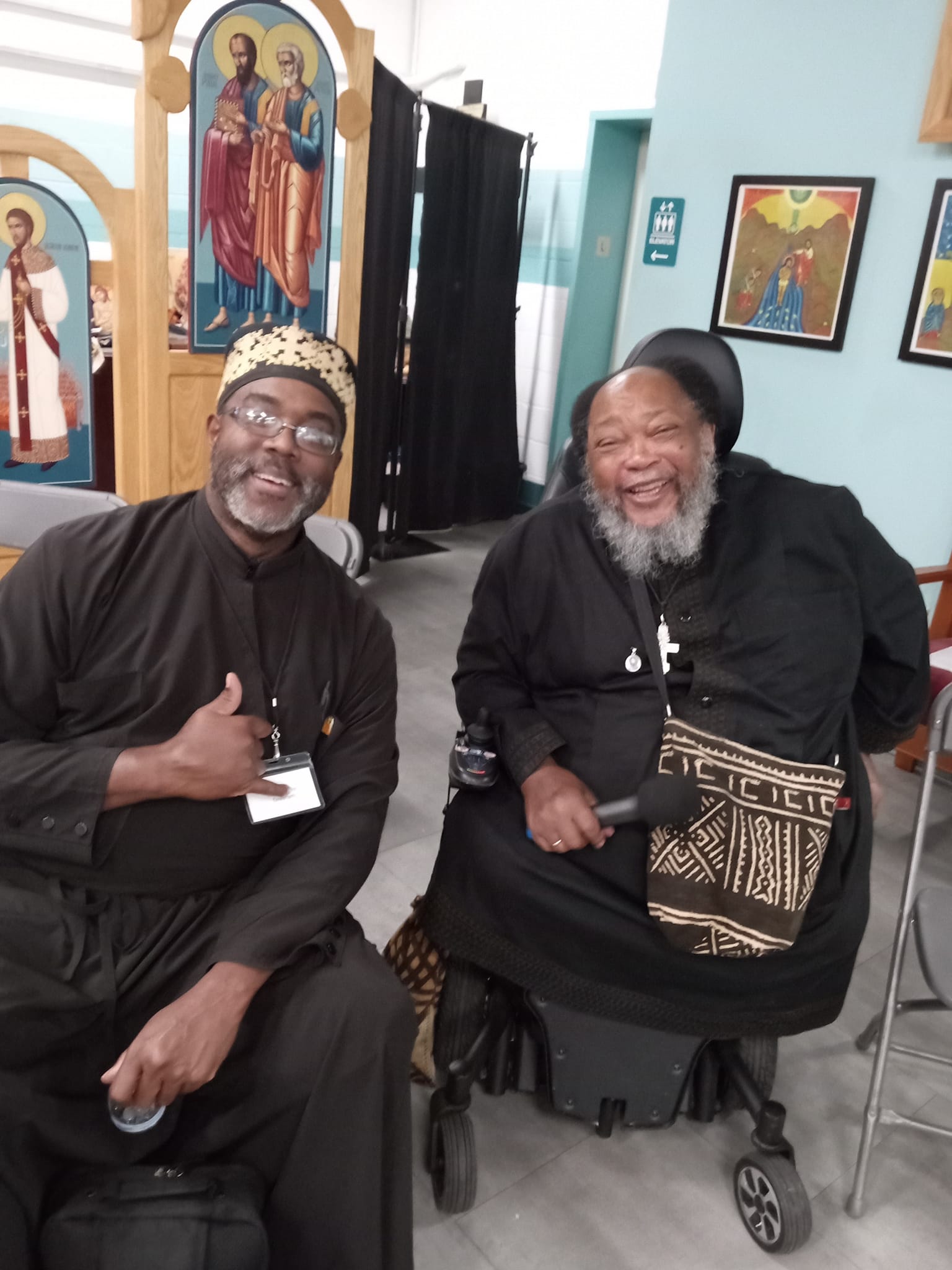
We are not and cannot be our own because Jesus brought us with an incredible price (1 Corinthians 6:20). Every layman has the responsibility to be an example of Christian manhood as God enables us. We don’t know when or who He leads us to give compassionate direction to. Any man with children knows fatherhood can’t be compartmentalized into a few hours a day nor one method. In some form or fashion, a grown Christian man is and must be ready to be a father.
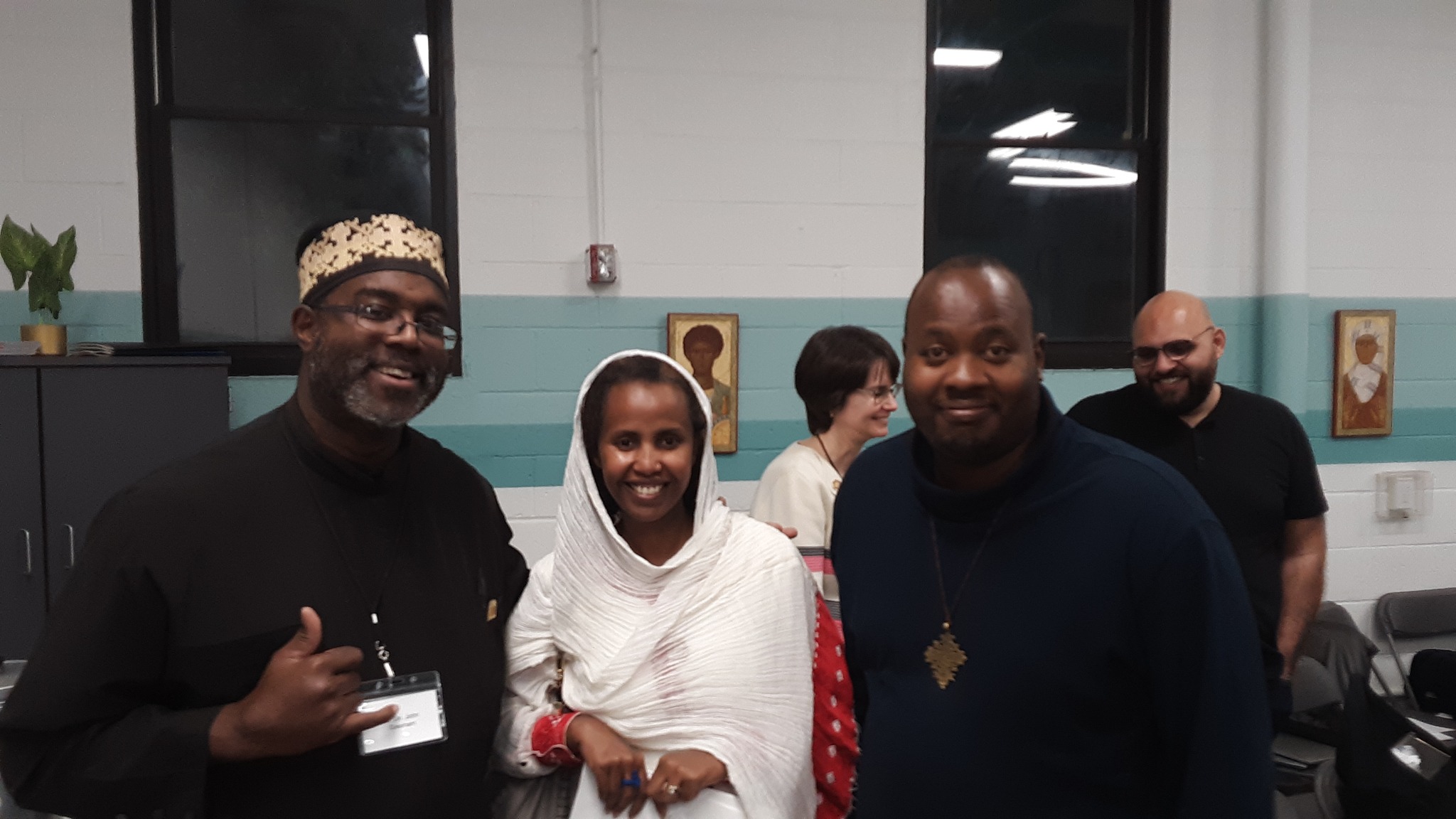
I wonder if our culture’s lack of accepting spiritual fatherhood is a contributing factor in some social problems. If laymen see no responsibility in being an example of life and clergy see their role as lasting only as long a liturgy and a few other services, where does this leave our current male friendships, relationships with women and children? If there is no spiritual fatherhood, there are no models of Christian life to befriend and follow. The church is reduced to a social club that merely reflects the values of the larger society. We become that salt that has lost its savor that can only be thrown out and trampled on by men.
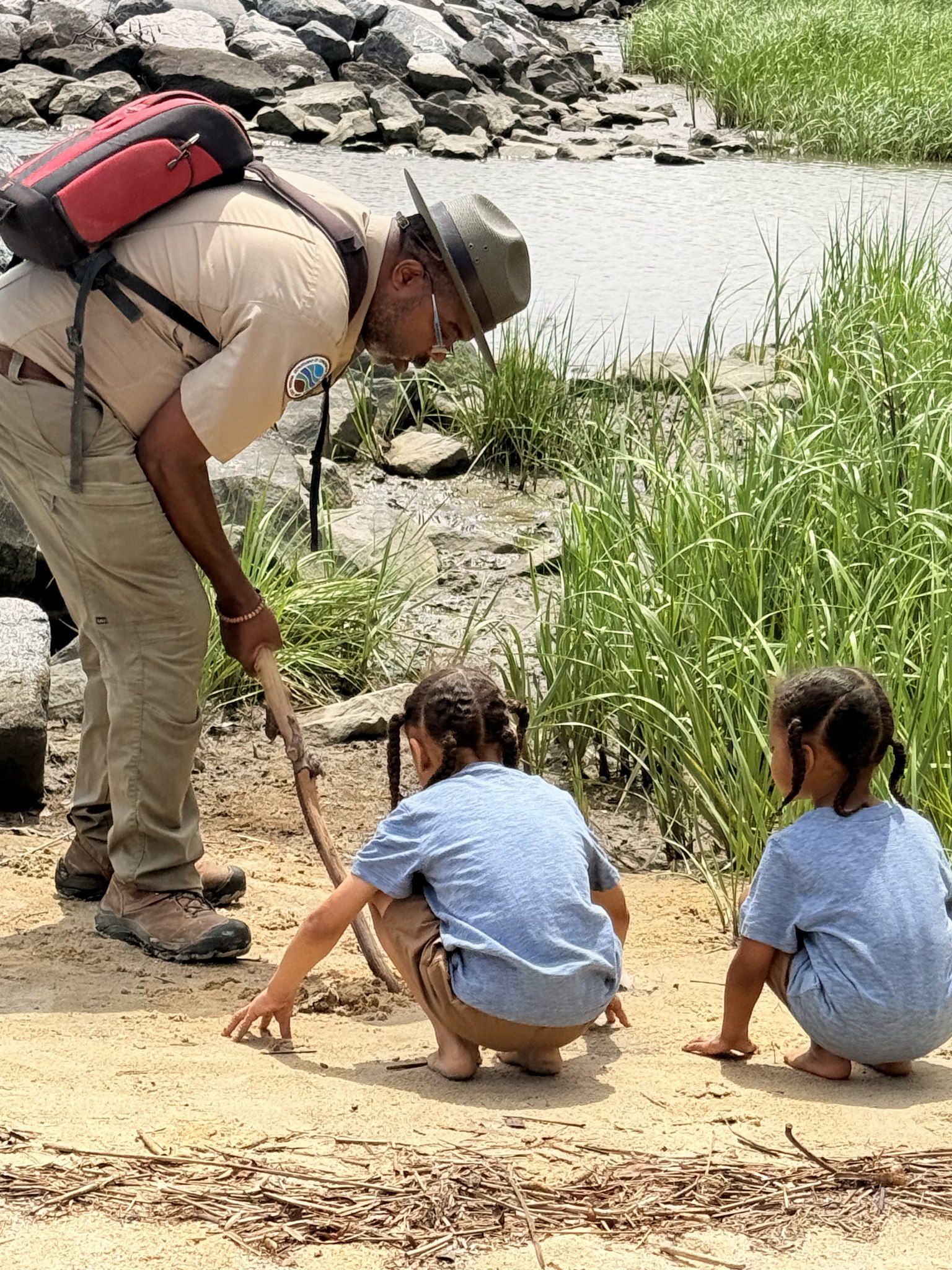
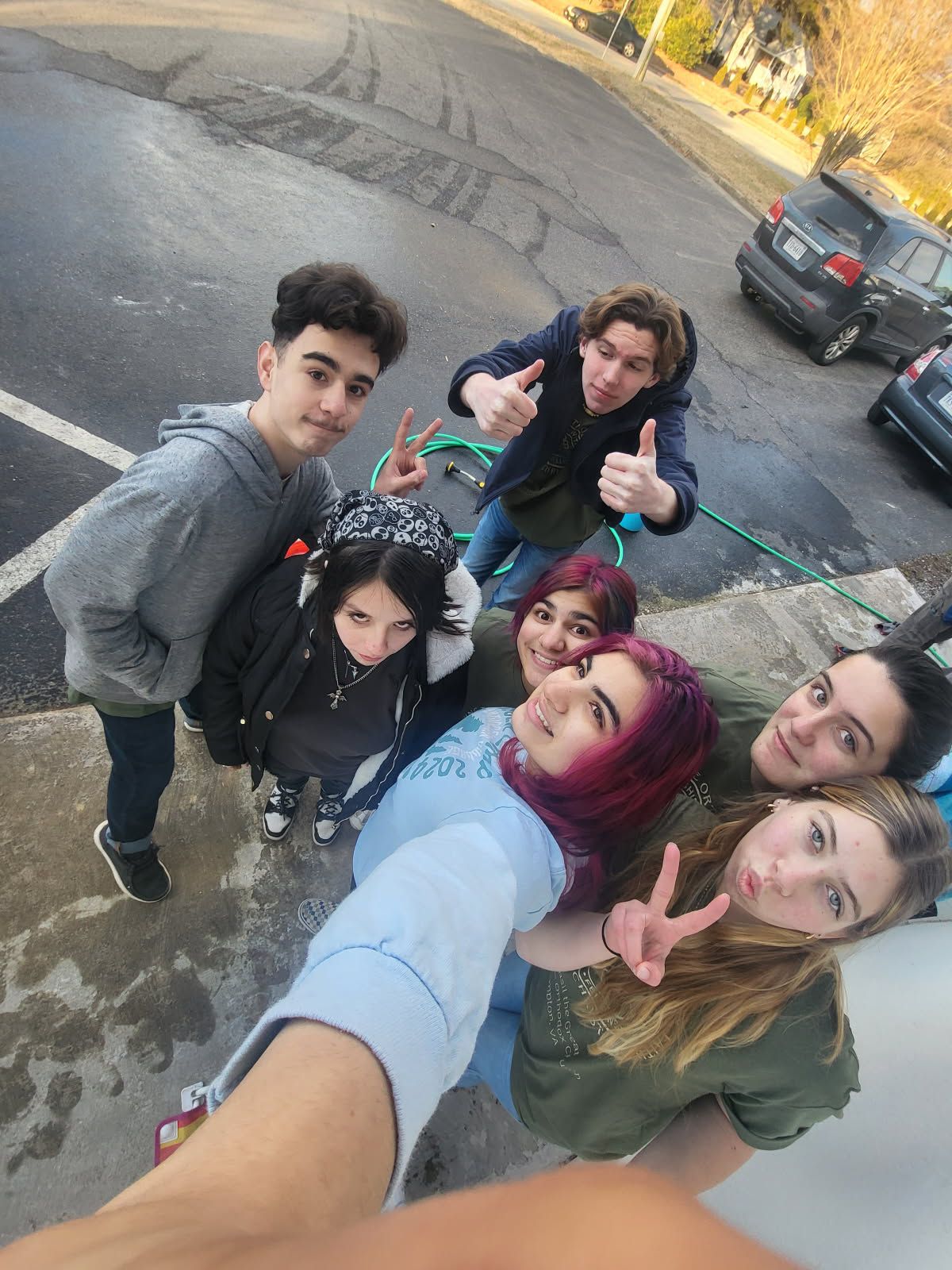
Our society doubts the value of male authority because of real and imagined toxicity. Abba Poemen gives a model for our spiritual fatherhood, “Be the example, not the legislator” (Sayings of the Desert Fathers, Poemen [called the Shepherd] #174). If we want people to pray, let us be the first to be in God’s presence. If we want people to change, let us be the first going to confession and shedding repentant tears. Teenagers and young adults are perceptive and can see who is being authentic and who is fraudulent. If we maintain Christian character outside as well as within the public eye, we will be seen not just as clergy fulfilling liturgical assignments. We will be seen as fathers.
 West Point Orthodox Christian Chapel